
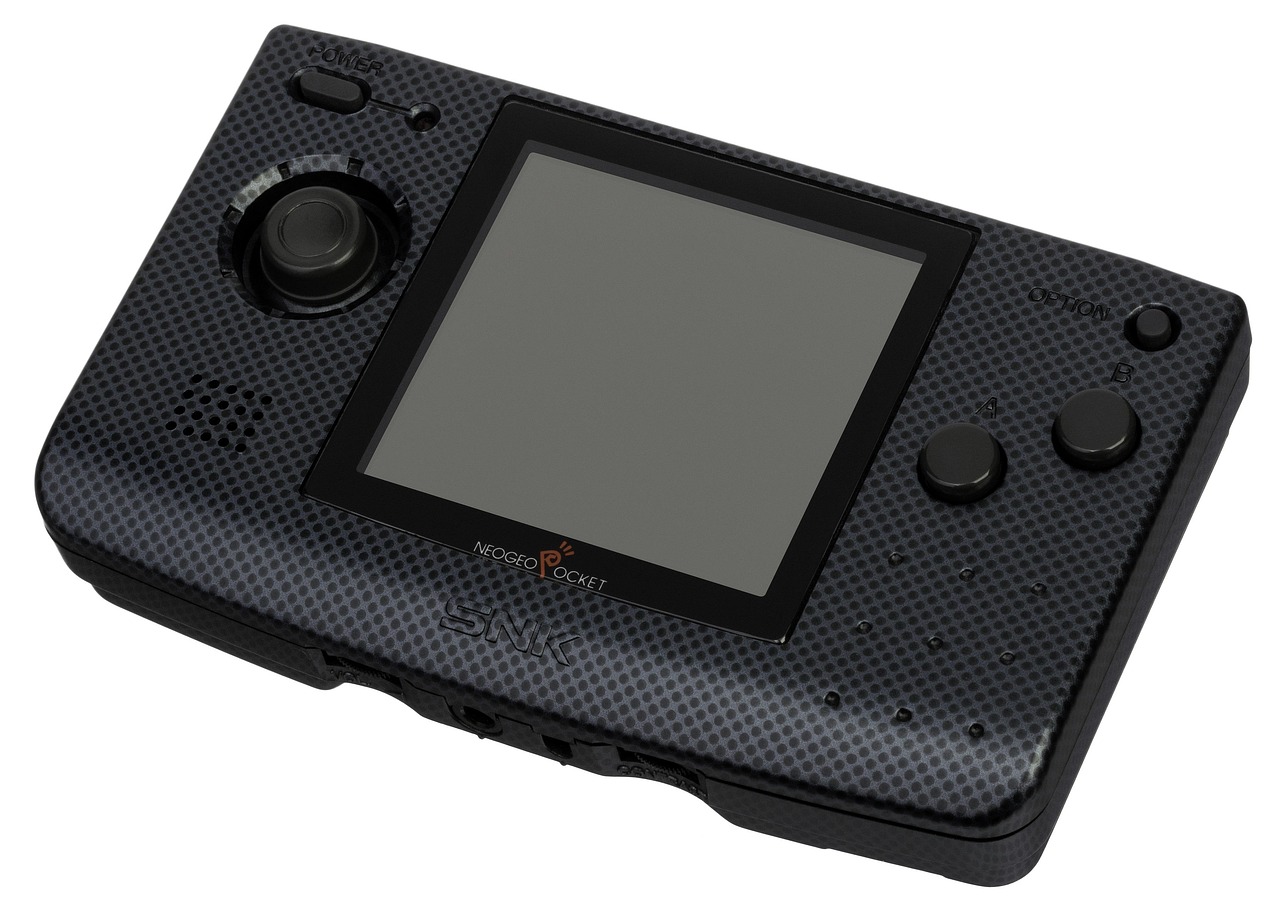
The pixels flicker, worlds come alive, and stories unfold – all powered by an intricate dance between creativity and technology. In the thrilling universe of interactive entertainment, gaming has evolved far beyond simple sprites and basic environments. Today, it’s a multi-billion dollar industry that thrives on breathtaking visuals and immersive experiences, and at the heart of this revolution lies graphics design. This isn’t just about making things look pretty; it’s about crafting entire realities, guiding player emotions, and defining the very soul of a game. Join us as we explore the profound synergy between graphics design and gaming, uncovering how visual artistry shapes the digital playgrounds we love.
The Foundation of Fun: What is Graphics Design in Gaming?
Graphics design in gaming is the art and science of creating all the visual elements that players see and interact with. It’s the silent architect behind every breathtaking vista, every iconic character, and every intuitive menu that makes a game unforgettable. This discipline goes far beyond mere aesthetics; it’s about visual storytelling, user experience, and establishing a game’s unique identity.
Beyond Pixels: Defining Game Graphics Design
- Visual Communication: Graphics design translates game mechanics, narratives, and emotions into discernible visual cues. It tells you where to go, what to do, and how to feel without needing explicit text.
- Immersion & Atmosphere: The visual style dictates the game’s mood and atmosphere, pulling players deeper into the experience. From the gritty realism of a post-apocalyptic world to the vibrant fantasy of a magical kingdom, graphics set the stage.
- Brand Identity: A game’s visual design is its primary brand. Instantly recognizable characters, unique art styles, and distinctive UI elements help a game stand out in a crowded market.
Practical Example: Think of the difference between the stylized, cel-shaded graphics of The Legend of Zelda: Breath of the Wild and the photorealistic detail of The Last of Us Part II. Each art style serves a distinct purpose, enhancing the respective game’s narrative and gameplay experience.
The Diverse Roles of a Game Graphics Designer
The field of game graphics design is vast, encompassing a multitude of specialized roles, each crucial to the final product:
- Concept Artist: The visionary who sketches initial ideas for characters, environments, and props, setting the visual direction of the game. They bridge the gap between abstract ideas and concrete visuals.
- Character Designer: Focuses on bringing game personalities to life, from initial sketches to 3D models, ensuring they fit the game’s lore and art style.
- Environment Artist: Crafts the game’s worlds, building landscapes, cities, dungeons, and interiors with careful attention to detail, mood, and playability.
- UI/UX Designer: Designs the user interface (UI) – menus, HUD (Heads-Up Display), and on-screen information – and ensures a seamless user experience (UX), making the game intuitive and enjoyable to navigate.
- Animator: Gives motion to characters, objects, and visual effects, making actions feel fluid, impactful, and expressive.
- VFX (Visual Effects) Artist: Creates explosions, magic spells, weather effects, and other dynamic visual elements that add spectacle and feedback to gameplay.
- Technical Artist: Acts as a bridge between artists and programmers, optimizing assets, developing tools, and ensuring visual fidelity within the game engine’s constraints.
Actionable Takeaway: For aspiring game designers, understanding these distinct roles helps in specializing and building a targeted portfolio. Each role requires a unique blend of artistic skill and technical understanding.
Crafting Worlds: Key Areas of Graphics Design in Gaming
Every element you see in a game, from a character’s detailed armor to the subtle atmospheric effects, is a product of deliberate graphics design. These specialized areas work in concert to build cohesive and captivating game worlds.
Concept Art & Character Design
This is where the magic begins, where ideas take visual form. Concept art lays the groundwork for the entire game’s visual identity, establishing the mood, color palette, and general aesthetic. Character design, a critical component, brings the game’s heroes, villains, and NPCs to life, making them relatable, iconic, or formidable.
- Establishing Visual Language: Concept artists define the unique look and feel, ensuring consistency across all assets.
- Iconic Personas: Memorable characters like Mario, Lara Croft, or Kratos are not just well-written; their visual design is instantly recognizable and defines their persona.
- Storytelling Through Form: A character’s silhouette, attire, and even posture can convey their backstory, personality, and role in the narrative.
Practical Example: Before Cyberpunk 2077 was a full game, it existed as hundreds of concept art pieces that defined its gritty, neon-soaked future. Character designers then translated these concepts into playable models, ensuring every detail from cybernetic implants to fashion choices fit the established aesthetic.
Environment Art & Level Design Aesthetics
Environment artists are world-builders, creating the settings where players interact and explore. This involves more than just pretty scenery; it’s about crafting spaces that are functional, atmospheric, and tell a story.
- Immersive Landscapes: From dense forests to sprawling futuristic cities, environment art builds believable and engaging backdrops.
- Visual Storytelling: Environmental details like crumbling ruins, overgrown paths, or abandoned settlements can subtly hint at past events and lore.
- Guiding Player Pathing: Strategic placement of lighting, prominent landmarks, and architectural elements can intuitively guide players through a level.
Practical Example: The intricate level design of games like Dark Souls is a masterclass in environment art. Every corridor, every open area, and every hidden path is meticulously crafted not just to look good, but to challenge, hint, or mislead players, adding layers to the gameplay.
UI/UX Design for Intuitive Gameplay
The User Interface (UI) and User Experience (UX) are often the “invisible hand” that guides players. Good UI/UX design is so seamless that players barely notice it, allowing them to focus entirely on the game world.
- Clarity & Readability: Ensuring vital information (health, ammo, objectives) is easily accessible and understood at a glance.
- Seamless Interaction: Designing menus, inventory systems, and controls that feel natural and responsive, minimizing frustration.
- Accessibility: Implementing features like customizable font sizes, colorblind modes, and remappable controls to make the game enjoyable for a wider audience.
Practical Example: Consider the elegant and minimalist UI in games like Destiny 2, which provides essential information without cluttering the screen, or the context-sensitive menus in The Witcher 3: Wild Hunt that adapt to player actions for a smoother experience.
Animation & Visual Effects (VFX)
Animation breathes life into static models, making characters move, express, and interact with their world. VFX adds the spectacle, impact, and feedback necessary for dynamic gameplay.
- Character Expressiveness: Animations convey emotions, intentions, and reactions, making characters feel more human and relatable.
- Gameplay Feedback: Animations and VFX provide crucial feedback to the player, indicating hits, damage, special abilities, and environmental changes.
- Spectacle & Impact: Explosions, magic spells, weapon impacts, and environmental phenomena created by VFX artists add a thrilling layer to combat and exploration.
Actionable Takeaway: Pay attention to the subtle details. How does a character react to being hit? What does a health bar fading to red communicate? These are all deliberate design choices that enhance immersion and gameplay.
The Impact on Player Experience and Game Success
Exceptional graphics design doesn’t just make a game look good; it fundamentally influences how players experience the game, and ultimately, its commercial success. It’s a critical component of player engagement and market appeal.
Immersion and Emotional Connection
Visually compelling graphics are a powerful tool for drawing players into a game world and fostering a deep emotional connection.
- Escapism: High-quality visuals transport players to fantastical realms, allowing them to escape reality and truly believe in the digital world.
- Emotional Resonance: Art direction, character expressions, and environmental storytelling evoke specific emotions – fear, joy, wonder, tension – deepening the player’s connection to the narrative and characters.
- Atmospheric Depth: Lighting, shadow, weather effects, and intricate details create a rich atmosphere that enhances the game’s tone, whether it’s chilling horror or heartwarming adventure.
Practical Example: The stunning visuals and character animations in games like Red Dead Redemption 2 are meticulously designed to evoke a sense of living in the Wild West, making every interaction and landscape feel incredibly real and emotionally resonant.
Branding and Market Appeal
In a competitive market, a game’s visual identity is paramount for attracting players and establishing a strong brand presence. Graphics design is at the forefront of marketing efforts.
- First Impressions: The visual quality and unique art style are often the first things potential players notice in trailers, screenshots, and store pages.
- Marketing Assets: High-quality in-game graphics translate directly into compelling marketing materials that showcase the game’s appeal.
- Unique Identity: A distinctive art style, like the hand-drawn aesthetic of Cuphead or the blocky charm of Minecraft, helps a game stand out and build a recognizable brand.
Relevant Statistic: While gameplay is king, visual fidelity and art style significantly influence pre-purchase decisions. Studies show that compelling visuals are a top factor for many gamers when considering a new title, especially for initial interest and anticipation.
Accessibility and Usability
Good graphics design is not just about making things look beautiful; it’s about making them usable and accessible for a diverse player base, ensuring a positive experience for everyone.
- Clear Feedback: Visual cues communicate game states (low health, successful hit, objective complete) clearly, reducing confusion.
- Inclusive Design: Thoughtful UI/UX design can accommodate players with various needs, such as colorblindness or motor skill challenges, through customizable options.
- Reduced Cognitive Load: An intuitive visual design reduces the mental effort required to understand game systems, allowing players to focus on enjoyment.
Actionable Takeaway: When evaluating a game, consider not just if it “looks good,” but if its visual design effectively communicates information, enhances the emotional experience, and contributes to its unique identity and playability.
Tools, Trends, and the Future of Gaming Graphics
The world of gaming graphics is constantly evolving, driven by technological advancements and innovative artistic techniques. Staying current with tools and trends is crucial for anyone involved in game development.
Essential Software and Hardware
Game graphics designers utilize a powerful array of software and hardware to bring their visions to life:
- 2D Art & Concepting:
- Adobe Photoshop / Illustrator: Industry standard for digital painting, texture creation, and UI elements.
- Procreate / Clip Studio Paint: Popular for sketching and illustration, especially on tablets.
- 3D Modeling & Sculpting:
- Blender: Powerful open-source 3D software for modeling, sculpting, animation, and rendering.
- Autodesk Maya / 3ds Max: Professional-grade tools for high-end 3D asset creation and animation.
- ZBrush / Substance Painter: Specialized for high-detail sculpting and advanced texturing.
- Game Engines:
- Unity: Versatile engine popular for indie games and mobile development.
- Unreal Engine: Known for its photorealistic rendering capabilities and use in AAA titles.
- Hardware:
- High-Performance PCs: Essential for running demanding 3D software and game engines.
- Graphics Tablets (Wacom, Huion): Crucial for digital painting and sculpting precision.
Emerging Trends: Ray Tracing, AI, and Procedural Generation
The future of gaming graphics is being shaped by groundbreaking technologies:
- Ray Tracing: This advanced rendering technique simulates the physical behavior of light, creating incredibly realistic reflections, shadows, and global illumination. It significantly enhances visual fidelity and immersion.
- Artificial Intelligence (AI) in Art: AI-powered tools are increasingly being used for rapid prototyping, generating textures, creating initial concept art variations, and even assisting with animation, streamlining the creative process.
- Procedural Generation: Algorithms are used to automatically create vast and unique environments, assets, and level layouts, allowing developers to build massive worlds with less manual effort (e.g., No Man’s Sky).
- Virtual Reality (VR) & Augmented Reality (AR): These platforms demand exceptionally high visual fidelity and optimized performance, pushing the boundaries of real-time rendering and immersive design.
Breaking into the Industry: Tips for Aspiring Designers
For those passionate about blending art with interactive entertainment, here’s how to get started:
- Build a Strong Portfolio: This is your most important asset. Showcase your best work, tailor it to the specific roles you’re interested in (e.g., character art, environment art), and demonstrate technical proficiency.
- Master Essential Software: Become highly skilled in industry-standard tools like Photoshop, Blender/Maya, and a game engine (Unity or Unreal).
- Understand Game Development: Learn about the full development pipeline, not just your specific niche. This helps you collaborate effectively.
- Network: Attend industry events, connect with professionals online, and join game development communities.
- Formal Education & Online Courses: Consider a degree in game design, digital art, or related fields, or pursue specialized online courses and tutorials.
Actionable Takeaway: Don’t just learn tools; learn the principles of art, design, and visual storytelling. Technology changes, but fundamental artistic skills remain timeless.
Conclusion
The relationship between graphics design and gaming is symbiotic and indispensable. Graphics design is not merely a superficial layer but the very canvas, brushstrokes, and colors that give life to digital worlds, shape narratives, and forge unforgettable player experiences. From the conceptual sketches that spark an idea to the complex real-time rendering that brings it to your screen, every pixel, polygon, and particle effect is a testament to the creative genius of game graphics designers.
As technology continues to advance, the potential for visual innovation in gaming is limitless. So, the next time you lose yourself in a beautifully crafted virtual world, take a moment to appreciate the incredible artistry and meticulous design that made that immersive journey possible. Graphics design isn’t just enhancing gaming; it’s defining its future.