
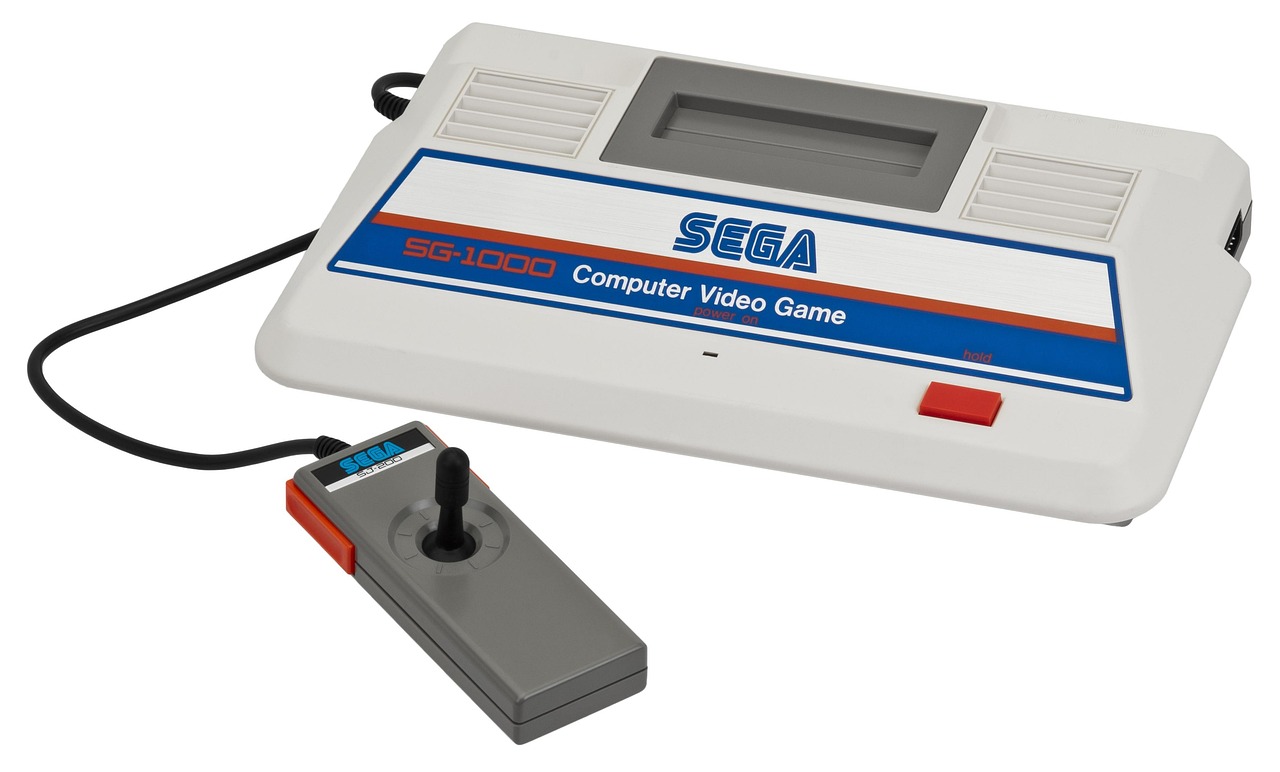
The world of gaming is far more than just a pastime; it’s a vibrant ecosystem of technological prowess, artistic vision, and relentless innovation. From the humble pixelated adventures of yesteryear to today’s breathtakingly realistic virtual worlds, the industry has consistently pushed the boundaries of what’s possible, redefining entertainment itself. This evolution isn’t just about better graphics; it’s a holistic revolution spanning every facet of game creation and consumption. Dive with us into the cutting-edge advancements and revolutionary ideas that are shaping the future of interactive entertainment, promising experiences more immersive, intelligent, and accessible than ever before.
The Power of Immersive Graphics and Realistic Worlds
Visual fidelity has always been a cornerstone of gaming innovation, and the current generation is delivering unprecedented levels of realism that blur the line between digital and reality. Developers are leveraging powerful tools and techniques to craft worlds that not only look stunning but also feel tangible and alive.
Advancements in Rendering and Visual Fidelity
- Ray Tracing: This revolutionary rendering technique simulates the physical behavior of light, resulting in incredibly realistic reflections, shadows, and global illumination.
- Practical Example: Games like Cyberpunk 2077 and Minecraft RTX showcase how ray tracing transforms environments, making them dramatically more lifelike and atmospheric. The way light bounces, reflects off surfaces, and casts soft shadows adds an unparalleled layer of immersion.
- Unreal Engine 5 (Lumen and Nanite): Epic Games’ latest engine empowers developers to create photorealistic environments with astounding detail.
- Lumen: A fully dynamic global illumination and reflections system that reacts to direct and indirect lighting changes in real-time.
- Nanite: A virtualized micropolygon geometry system that allows artists to import film-quality assets with millions of polygons directly into the engine, rendering them seamlessly without noticeable performance drops.
- Practical Example: The Matrix Awakens: An Unreal Engine 5 Experience demonstrated a city teeming with detail, traffic, and dynamic weather, all rendered in real-time with stunning fidelity, setting a new benchmark for virtual environments.
Open-World Design and Procedural Generation
- Vast, Dynamic Environments: Modern open-world games feature seamless exploration across sprawling maps, often incorporating dynamic weather systems, day-night cycles, and persistent world changes.
- Practical Example: Red Dead Redemption 2 stands out for its meticulously crafted open world, where wildlife behaves realistically, NPCs follow routines, and environmental details contribute to an incredibly believable frontier.
- Intelligent Procedural Generation: While not new, AI-driven procedural generation is becoming more sophisticated, allowing developers to create unique content and expansive landscapes with greater efficiency.
- Practical Example: No Man’s Sky continues to evolve its procedurally generated universe, offering billions of unique planets, creatures, and ecosystems, ensuring that every player’s journey feels distinct. This innovation enables smaller teams to create content on a scale previously unimaginable.
Actionable Takeaway: As visual technologies advance, expect games to offer deeper immersion through environments that not only look real but also react and evolve dynamically, making player interaction more meaningful than ever before.
Revolutionizing Gameplay: AI, Machine Learning, and Adaptive Experiences
Beyond stunning visuals, innovation in gaming is profoundly reshaping how we interact with game worlds and their inhabitants. Artificial Intelligence (AI) and Machine Learning (ML) are at the forefront, creating more believable characters, dynamic challenges, and personalized experiences.
Intelligent NPCs and Dynamic Storytelling
- Smarter Opponents and Companions: AI is making non-player characters (NPCs) more sophisticated, capable of complex tactical decisions, adapting to player strategies, and exhibiting more believable personalities.
- Practical Example: The Nemesis System in Middle-earth: Shadow of Mordor and Shadow of War is a prime example. Orc captains remember past encounters, gain strengths, develop rivalries, and even mock the player, creating unique, emergent narratives driven by player actions.
- Practical Example: Advanced enemy AI in titles like F.E.A.R. or Halo allows enemies to coordinate, flank, and use the environment tactically, leading to more engaging and unpredictable combat encounters.
- AI-Driven Narratives: Future games will increasingly use AI to dynamically generate story beats, quests, and character interactions based on player choices, leading to truly personalized storylines.
Personalization and Adaptive Difficulty
- Tailored Experiences: Machine learning algorithms can analyze a player’s style, skill level, and preferences to adjust game difficulty, recommend content, or even alter the game world to suit their play.
- Benefits:
- Keeps players engaged by providing the right level of challenge.
- Introduces new content or mechanics at optimal times.
- Creates a more inclusive experience for players of all skill levels.
- Benefits:
- Procedural Content Generation (AI-Assisted): While touched upon in visuals, AI further enhances procedural content beyond just landscapes, generating unique quests, item attributes, and even level layouts.
- Practical Example: Roguelikes like Hades or Spelunky 2 extensively use procedural generation to ensure each playthrough offers a fresh challenge, with AI guiding the arrangement of rooms, enemies, and power-ups for balance and variety.
Actionable Takeaway: AI isn’t just about making enemies tougher; it’s about crafting a responsive, living game world that understands and reacts to you, offering unparalleled replayability and deeply personal journeys.
The Rise of Cloud Gaming and Accessibility
Gaming innovation isn’t solely confined to what happens inside the console or PC. Cloud gaming is democratizing access, promising high-fidelity experiences to a wider audience than ever before by decoupling the game from expensive hardware.
Gaming Without Boundaries: Streaming Platforms
- Hardware Agnostic Play: Cloud gaming services stream games directly to almost any device with a screen and an internet connection – smart TVs, phones, tablets, or low-spec PCs – removing the need for powerful, expensive local hardware.
- Practical Examples: Services like Xbox Cloud Gaming, NVIDIA GeForce NOW, and PlayStation Plus Premium allow players to stream demanding AAA titles without owning the latest console or graphics card. This means playing titles like Forza Horizon 5 or Cyberpunk 2077 on a mobile phone.
- Lower Entry Barrier: This model significantly reduces the upfront cost of entry into high-quality gaming, expanding the potential player base globally.
- Instant Play: Games are accessible instantly without lengthy downloads or installations.
Impact on Game Development and Distribution
- New Monetization Models: Cloud gaming fosters subscription-based models, similar to video streaming, potentially leading to more consistent revenue streams for developers and publishers.
- Wider Audience Reach: Games can reach regions or demographics that might not traditionally invest in high-end gaming hardware.
- Challenges and Considerations:
- Latency: The time delay between player input and on-screen action remains a critical hurdle, especially for competitive, fast-paced games.
- Internet Infrastructure: A stable, high-speed internet connection is crucial, which can be a barrier in many parts of the world.
- Data Usage: Streaming high-fidelity video consumes significant bandwidth, potentially impacting data caps.
Actionable Takeaway: Cloud gaming is pushing for a future where the game, not the hardware, is central. While challenges exist, its potential to make advanced gaming universally accessible is immense, transforming distribution and how we consume interactive content.
Beyond the Screen: VR, AR, and Haptic Feedback
Innovation is also extending the boundaries of how we physically interact with games, drawing us deeper into virtual worlds and blending digital content with our physical reality.
Virtual Reality: True Immersion
- Headset Advancements: Modern VR headsets offer higher resolution displays, wider fields of view, and more precise tracking, significantly reducing motion sickness and enhancing immersion.
- Practical Examples: Devices like the Meta Quest 3 and PlayStation VR2 boast advanced haptics, eye tracking, and passthrough capabilities, making VR more comfortable and engaging.
- Gaming Experiences: Titles like Half-Life: Alyx demonstrate VR’s power for deep narrative, intricate puzzles, and intuitive interaction, setting a new standard for VR gaming. Social VR platforms like VRChat also highlight its potential for unique social interaction.
- Challenges: High hardware cost, requirement for physical space, and the ongoing need to make experiences more comfortable and intuitive for broader adoption.
Augmented Reality: Blending Digital and Physical
- Overlaying Digital on Reality: AR superimposes virtual elements onto the real world, enhancing our environment rather than replacing it.
- Practical Example: Pokémon GO pioneered mainstream AR gaming, encouraging players to explore their real-world surroundings to find virtual creatures. Future AR glasses promise even more seamless integration of digital information and gameplay into daily life.
- Interactive Physical Spaces: AR can transform real-world locations into interactive game environments, blurring the lines between play and reality.
Haptic Technology: Feeling the Game
- Advanced Tactile Feedback: Beyond traditional rumble, modern haptic feedback simulates a wider range of sensations, adding a new layer of immersion.
- Practical Example: Sony’s DualSense controller for the PlayStation 5 features advanced haptic feedback and adaptive triggers. Players can feel the distinct textures of different terrains, the tension of a bowstring, or the varying recoil of different firearms, bringing a new dimension of realism to gameplay.
- Full-Body Haptics: Emerging technologies like haptic vests and suits offer sensations across the entire body, from the impact of an explosion to the gentle patter of rain.
Actionable Takeaway: VR, AR, and advanced haptics are pushing gaming beyond the traditional screen, creating multi-sensory experiences that engage us on a deeper, more physical level and redefine what “being in the game” truly means.
Hardware Innovations and Performance Breakthroughs
While software and experience design drive much of gaming innovation, the underlying hardware continues to evolve at a rapid pace, enabling new possibilities for developers and delivering unparalleled performance to players.
Next-Gen Console Architecture
- Solid-State Drives (SSDs): The adoption of custom, ultra-fast SSDs in consoles like the PlayStation 5 and Xbox Series X|S has revolutionized load times, practically eliminating them in many games. This also enables faster streaming of assets, leading to more detailed worlds without performance bottlenecks.
- Benefit: Developers can design much larger, more seamless game worlds, as they no longer need to hide loading screens behind elevators or corridors.
- Custom CPUs and GPUs: Designed specifically for gaming workloads, these processors offer significant power gains, enabling features like hardware-accelerated ray tracing and higher frame rates at 4K resolutions.
- Practical Example: The custom RDNA 2 GPU architecture in current-gen consoles allows for features like variable rate shading and mesh shaders, optimizing rendering performance and visual quality simultaneously.
PC Gaming Advancements
- Cutting-Edge Graphics Cards: PC GPUs continue to lead in raw graphical power, pushing visual fidelity to extremes and enabling technologies like real-time ray tracing and path tracing.
- Practical Example: NVIDIA’s DLSS (Deep Learning Super Sampling) and AMD’s FSR (FidelityFX Super Resolution) utilize AI and advanced upscaling techniques to boost frame rates significantly without a noticeable loss in image quality, making high-resolution gaming more accessible.
- High Refresh Rate and Resolution Displays: Monitors now regularly offer 144Hz, 240Hz, or even 360Hz refresh rates, combined with resolutions up to 8K, providing incredibly smooth and detailed visual experiences for competitive and immersive gaming alike.
Portable and Handheld Gaming
- High-Performance Handhelds: Devices like the Steam Deck and ROG Ally are bringing PC-level gaming to a portable form factor, allowing players to enjoy their full game libraries on the go.
- Benefit: These devices are bridging the gap between console/PC and mobile gaming, offering flexibility without sacrificing performance for many titles.
- Innovative Form Factors: The Nintendo Switch continues to demonstrate the power of hybrid console design, proving that unique form factors can open up new ways to play.
Actionable Takeaway: Hardware innovation remains a fundamental driver, continually expanding the canvas for game developers to paint richer, more detailed, and higher-performing interactive experiences. Keeping an eye on these developments is key to understanding the next wave of gaming breakthroughs.
Conclusion
Gaming innovation is a ceaseless journey, driven by a vibrant community of creators, engineers, and dreamers. From the mind-bending realism of next-gen graphics and the intelligent adaptability of AI-driven gameplay to the boundless accessibility of cloud gaming and the tactile immersion of VR/AR and haptics, the industry is in a perpetual state of revolution. Hardware advancements continue to lay the groundwork, enabling developers to push creative boundaries further than ever before. As technology converges and creative vision expands, we can anticipate a future where games are not just played, but truly lived – experiences that are deeply personal, incredibly responsive, and universally accessible. The gaming landscape is a testament to human ingenuity, and its future promises to be even more extraordinary.